CASE STUDY 02 / 2025 Drawing & creativity
A different wayto see learning.
Exploring how drawing reveals children’s thinking—and how access shapes the space they have to imagine.
Discover the story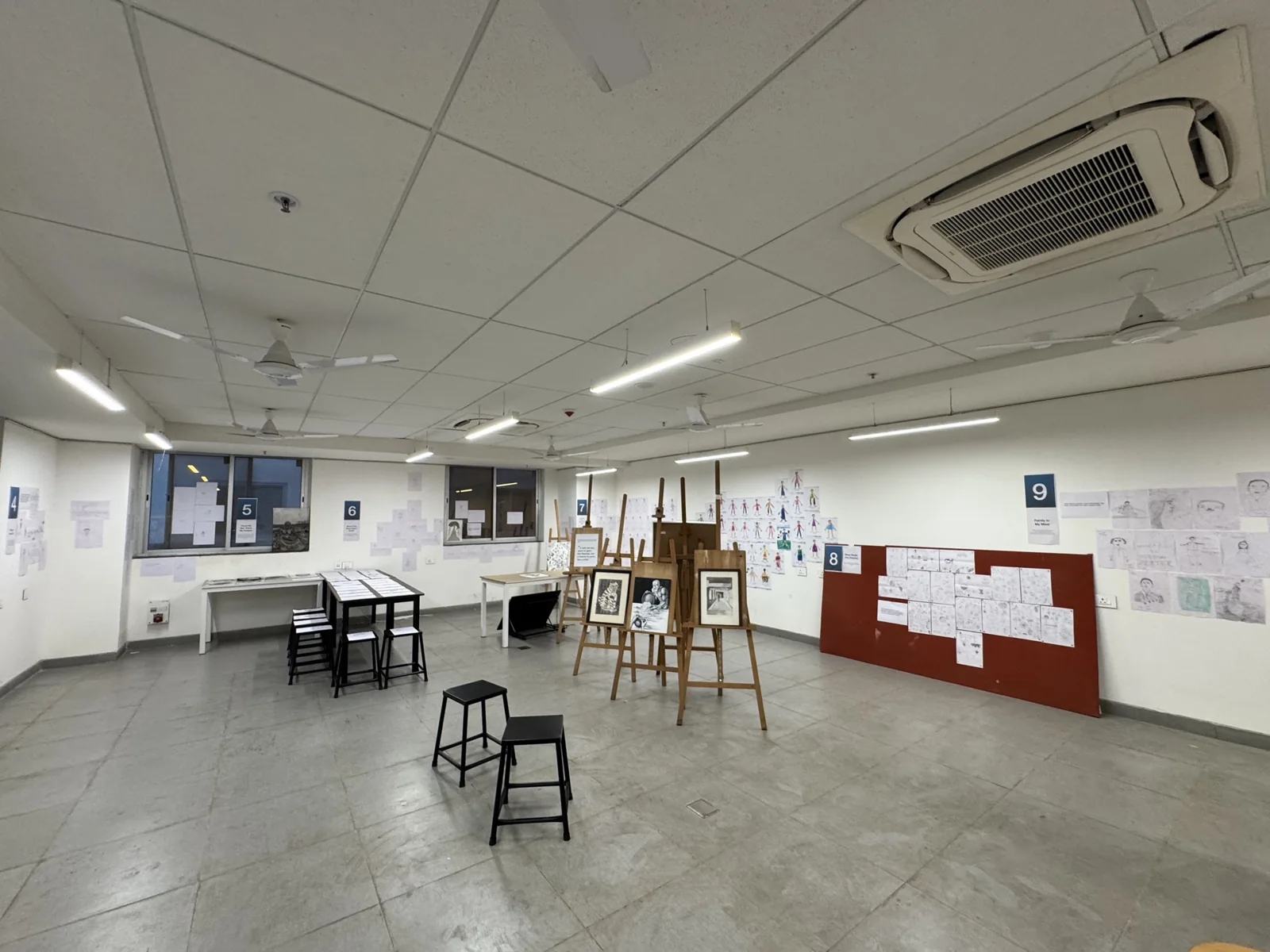 Drawing & creativity FIELD RESEARCH · EDUCATION
The Drawing Studio exhibition brought children’s ways of seeing into public conversation.
01 / THE QUESTION
What does drawing reveal about how children think?
Teaching raised a question about the conditions that support creativity. I used drawing as a research medium to explore how children observe, remember, tell stories, imagine futures, and respond to others—while keeping their educational and social context in view.
B.Des project · IIT Bombay · Guided by Prof. Raja Mohanty
Fieldwork · Practice-led inquiry · Exhibition design
Field inquiry, drawing-session design, practice-led research, and exhibition.Individual B.Des project · Guided by Prof. Raja Mohanty · Made possible by participating schools and children.
02 / THE RESEARCH
A field inquiry,
designed through drawing.
THE SCOPE OF THE INQUIRY
200 children.
800+ drawings.
One question: what can drawing reveal that conventional answers cannot?
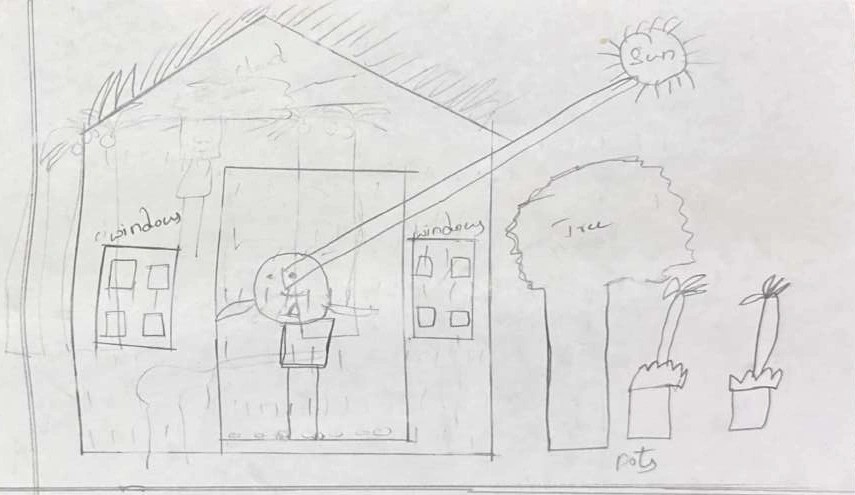
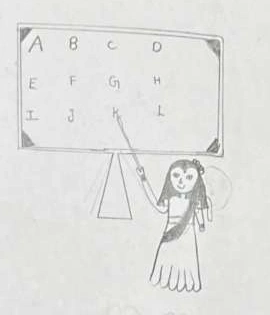
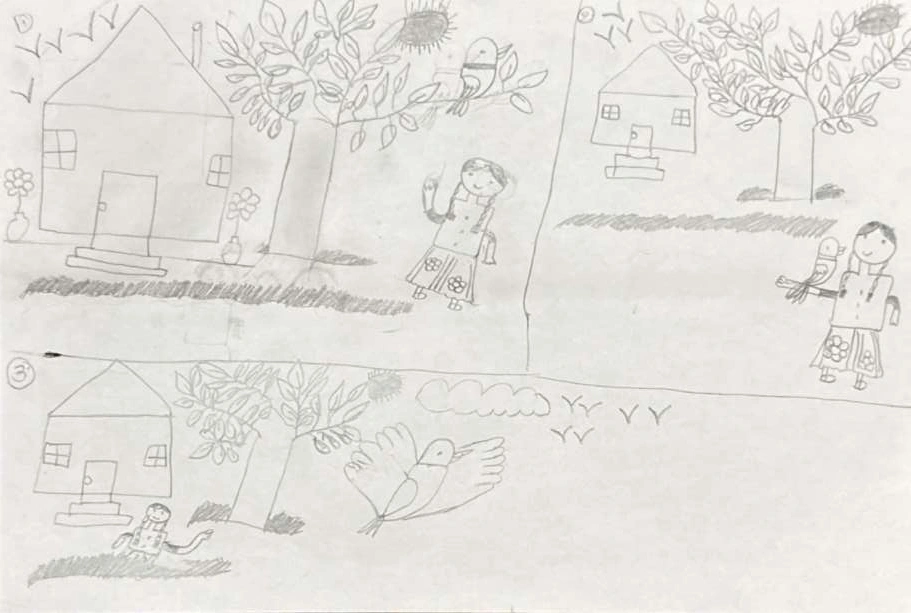
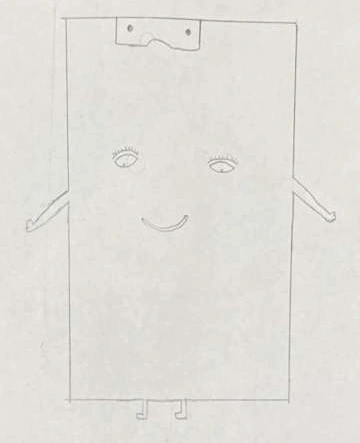
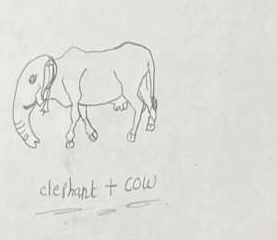
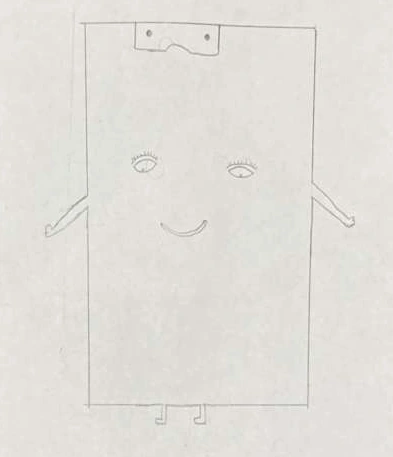
Across rural and urban classrooms. A small selection of the original artifacts.
FROM VOLUME TO MEANING
800+ drawings.
Many ways of making meaning.
Their meaning emerged through the child’s account, the task, and the surrounding environment.
- Drawing
- Child’s account
- Task context
- Environment
- Interpretation
Overall scale supplied by Arjun: 200 children and 800+ drawings. The documented rural stage below involved 40 students over nine sessions; it is one part of the wider inquiry.
DOCUMENTED RURAL STAGE / PALNADU
40 students
9 drawing sessions
FOCUSED URBAN SESSIONS / MUMBAI
2 × 30
minute sessions
Sustained engagement in Palnadu. Focused sessions in Mumbai.
A contextual view across settings with different samples and amounts of contact.
IN THE FIELD / PALNADU + MUMBAI
The classroom belongs
in the picture.
Drawing happened among classmates, within particular spaces and routines. These photographs return the inquiry to those settings, before the sheets became exhibition material.
The rural stage allowed repeated encounters across nine sessions. The shorter urban engagement offered another context for observation. The difference in access is part of the research, and limits any direct comparison.
NINE PROMPTS / DIFFERENT WAYS OF THINKING
The prompt changes
what becomes visible.
SESSION 01 / PROMPT
Draw whatever you like.
- Observed
- Familiar motifs and repeated imagery.
- Interpreted in context
- Repetition can reflect exposure and expectations. It is not evidence of a deficit in creativity.
Session accounts and artifacts: P2 report, PDF pages 19–28. The first four prompts are shown with original drawings; the remaining sessions retain their documented observations.
WIDENING THE INQUIRY / ART + DESIGN EDUCATION
What changes when drawing
becomes a sustained practice?
Conversations at Sir J.J. School of Art and IDC School of Design widened the inquiry beyond school classrooms. Studio visits and student work brought observation, technique, and the place of drawing in an education into view.
Sir J.J. School of Art
IDC School of Design
Student work documented during the inquiry. The drawings and paintings shown here belong to their respective makers; Arjun’s role was research and documentation.
03 / THE DECISIONS
READING THE DRAWINGS IN CONTEXT
A drawing is an opening.
Context gives it meaning.
- 01Drawing
- 02Child’s account
- 03Task context
- 04Environment
- 05Interpretation
The unit of inquiry: a drawing, a child’s account, and the conditions that made expression possible.
My own drawing practice ran alongside the fieldwork. It helped me examine the uncertainty and assumptions I brought to the children’s work.
Children’s explanations, task conditions, and classroom context guided interpretation. Longer engagement across comparable settings, language support, and independent review would strengthen the next stage of this exploratory inquiry.
PRACTICE-LED INQUIRY / MY SKETCHBOOK
I was also learning
through the act of drawing.
My own practice ran alongside the study: looking closely, deciding what to leave out, and staying with an unfinished mark. It gave me a way to reflect on the uncertainty I was asking participants to enter.
Making kept the research close to the experience of choosing, observing, and revising. It supported reflection on my own assumptions when reading a child’s drawing.
04 / THE REFLECTION
An inquiry,
shared with others.
What the inquiry opens next
Drawing brought children’s stories, aspirations, relationships, and imaginative choices into view. The next study would examine these patterns through longer, more comparable classroom engagement, while retaining each child’s account and the context around the work.
Research became
a place people
could enter.
CURATING THE INQUIRY / DRAWING STUDIO, IIT BOMBAY
From individual sheets
to a shared encounter.
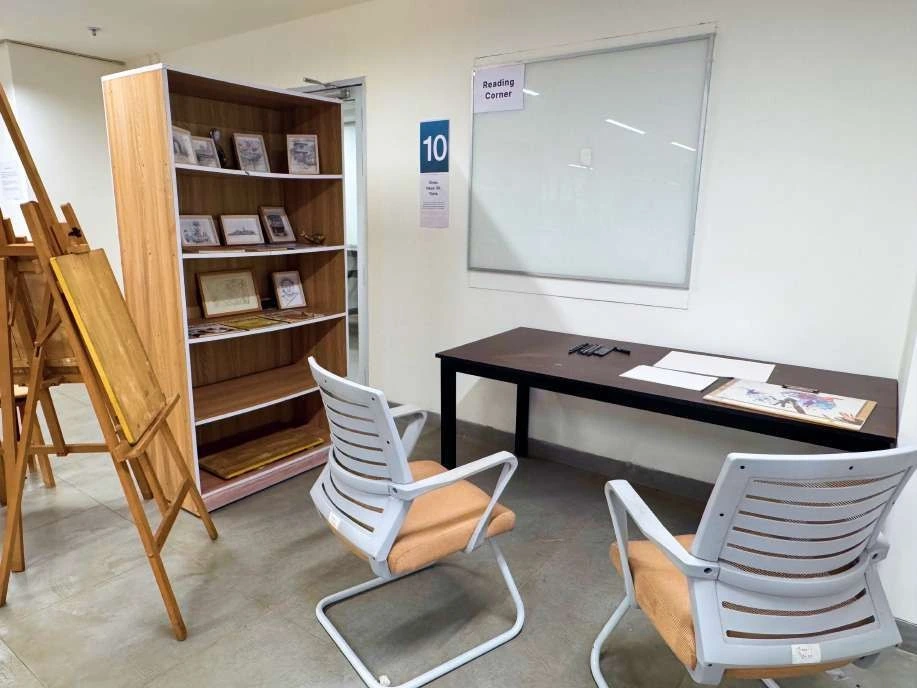
Ten thematic sections gave visitors several ways into the research. The installation connected drawings, prompts, and interpretive text, bringing the process of making meaning into a public space.
Original photographs from Arjun’s project archive. The exhibition presents the inquiry; it does not establish a measured educational outcome.
FROM LOOKING TO MAKING
The last stop
was an invitation.
The reading and drawing corner let visitors respond with their own marks. The exhibition became a continuation of the inquiry.
05 / THE WORK
A closer look.
Original drawing sheets from the fieldwork. Open an image to look more closely at the marks and details.
Case study adapted from the original project report by Arjun K Lenin.
Read the original reportNEXT CASE STUDY / 03
Dream Profile
A collaborative exploration of the emotions behind professional visibility on LinkedIn.