Make choosing feel manageable.
Long selection times and complex interfaces pointed toward a guided path. “Surprise me” breaks the decision into meal type, taste, mood, and practical limits.
EARLIER UX WORK / 2022
FoodLiveUX concept
Home-cooked food, with a different way to order: let your mood and preferences guide a surprise meal, while you keep control over diet, budget, and time.
Explore the project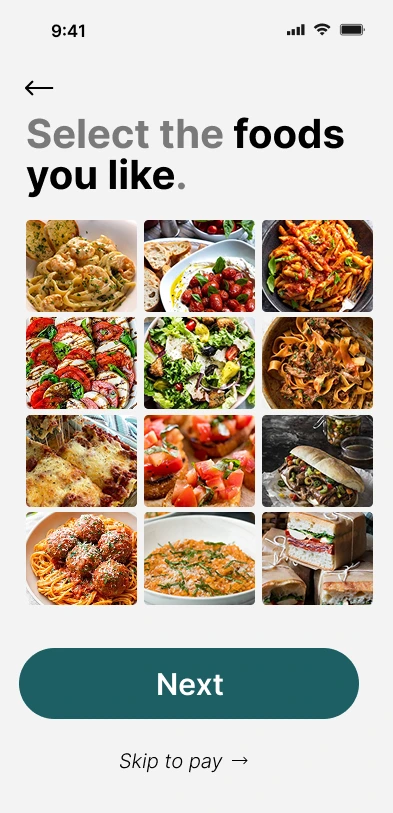
01 / THE DESIGN CHALLENGE
FoodLive explores access to familiar, home-cooked food for students and professionals living away from home. The UX work addresses the effort of choosing, concerns about hygiene, and the need for personal preferences to survive the ordering process.
THE SIGNATURE FEATURE / SURPRISE ME
FoodLive includes a surprise-delivery path: customers share their mood and food preferences instead of selecting a particular dish. The delight comes from discovery; the boundaries stay in the customer’s hands.
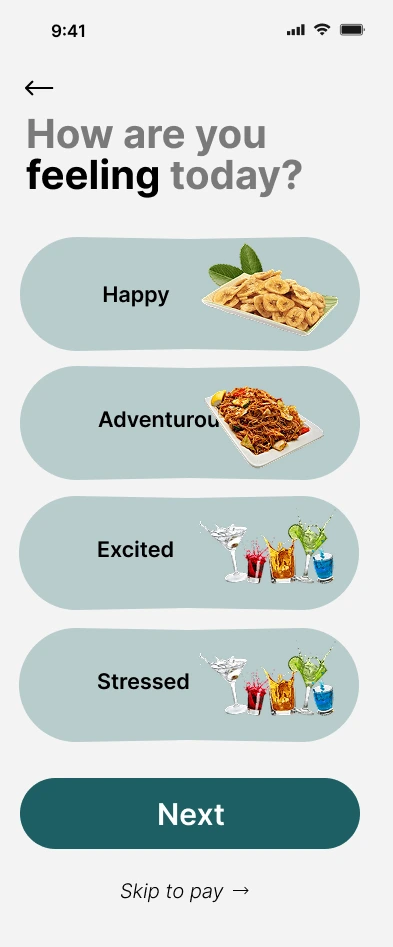
Walk through the original screensMood, meal type, and taste give discovery a personal starting point.
Dietary needs, budget, and delivery time remain explicit choices.
Review those preferences before checkout. The exact dish stays open.
Designed in the 2022 prototype: mood and taste guide discovery, while diet, budget, and timing define the customer’s boundaries.
02 / DISCOVERY → DIRECTION
52 PARTICIPANTS / MUMBAI
People living away from home wanted variety, familiarity, and food they could trust. The research examined what stood between that need and the next meal.
Survey of 52 Mumbai hostel and paying-guest residents, supported by qualitative synthesis. These descriptive findings informed the prototype direction.
Long selection times and complex interfaces pointed toward a guided path. “Surprise me” breaks the decision into meal type, taste, mood, and practical limits.
Reviews mattered when choosing a service, while customer discovery raised hygiene concerns. Home-cook discovery, clearer information, and a familiar review-before-payment step became priorities.
Menu diversity attracted people; dietary needs, spending, and timing shaped what they could choose. Those constraints remain explicit before the surprise is confirmed.
Research with 52 people living away from home in Mumbai’s hostels and paying-guest accommodation combined survey findings with qualitative exploration of everyday meal habits. The work examined where people ate, what made ordering difficult, and how they judged quality, variety, and trust. Customer-discovery conversations also explored willingness to try a home-cooked food service and what people would pay for it. Together, these findings shaped a guided ordering experience that made personal preferences easier to express.
03 / THE EXPERIENCE
The most distinctive concept is a guided “Surprise me” journey. Step through the original screens to see where the customer gives direction, sets limits, and commits.
THE SURPRISE-ME JOURNEY
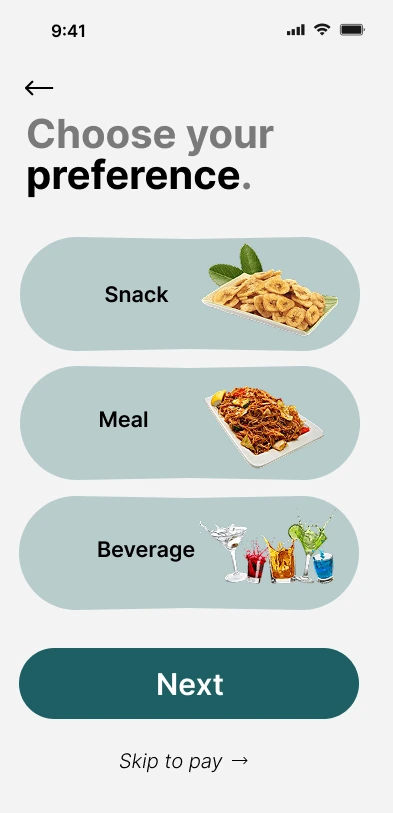
Snack, meal, or beverage gives the experience an initial direction without asking for a specific dish.
A walkthrough of the original concept screens. No orders or payments are placed.
TWO SIDES OF ONE SERVICE
The customer and cook flows connect discovery, preparation, delivery, and earnings. A service pilot would examine how verification and fulfillment work across this shared journey.
04 / REFLECTION
FoodLive turned a familiar frustration—spending too much effort deciding what to eat—into a service and interaction-design opportunity. The concept connects the comfort of home-cooked food with guided discovery, while keeping the customer’s needs visible throughout.
I would test whether the guided journey reduces decision effort, whether customers understand what remains a surprise, and how cooks receive and confirm dietary requirements. These questions connect the interaction concept to reliable fulfillment.
MORE UX DESIGN
A connected world of drone services.